top of page

Women for
Climate Action
Why Climate &
Girls education?
The connection between climate change and girls' education is both complex and interconnected. Educating girls promotes environmental stewardship, yet girls in remote rural communities are also among the most affected b y climate change. Research shows that for every additional year of schooling a girl receives, her country’s resilience to climate disasters improves. Education expands opportunities, strengthens livelihoods, and delays marriage and child bearing factors that help curb overpopulation and reduce greenhouse gas emissions . It also fosters sustainable consumption choices and spurs climate action. This is why WGEP prioritizes interventions that address both climate vulnerability and barriers to education. By dismantling the obstacles that keep girls in rural communities from completing school, WGEP supports young women to graduate, pursue higher education, delay marriage, have healthier families, and secure meaningful employment. Combined with training in bodily rights, reproductive health, and leadership, these interventions equip young women to become fearless change agents leading climate action and solutions in their communities


1/13
WGEP's Approach
-
Create supportive environments for marginalized girls in rural communities
-
to stay in school and thrive Cover tuition, fees, and room and board costs
-
Provide education on bodily rights, sexual and reproductive health
-
Prevent gender-based violence and provide survivor support
-
Replace harmful practices like FGM and early marriage with alternative rites of passage
-
Build leadership skills through training in conflict resolution, advocacy, public speaking, and community-led campaigns
It's Impact
-
Over 30,000 girls completed their education, opening doors to higher studies and careers, delaying early marriage and pregnancy, and building healthier, more resilient communities.
-
2,691 young leaders were trained, going on to organize 120 community events on education, climate action, and waste management mobilizing their communities in support of these goals.
-
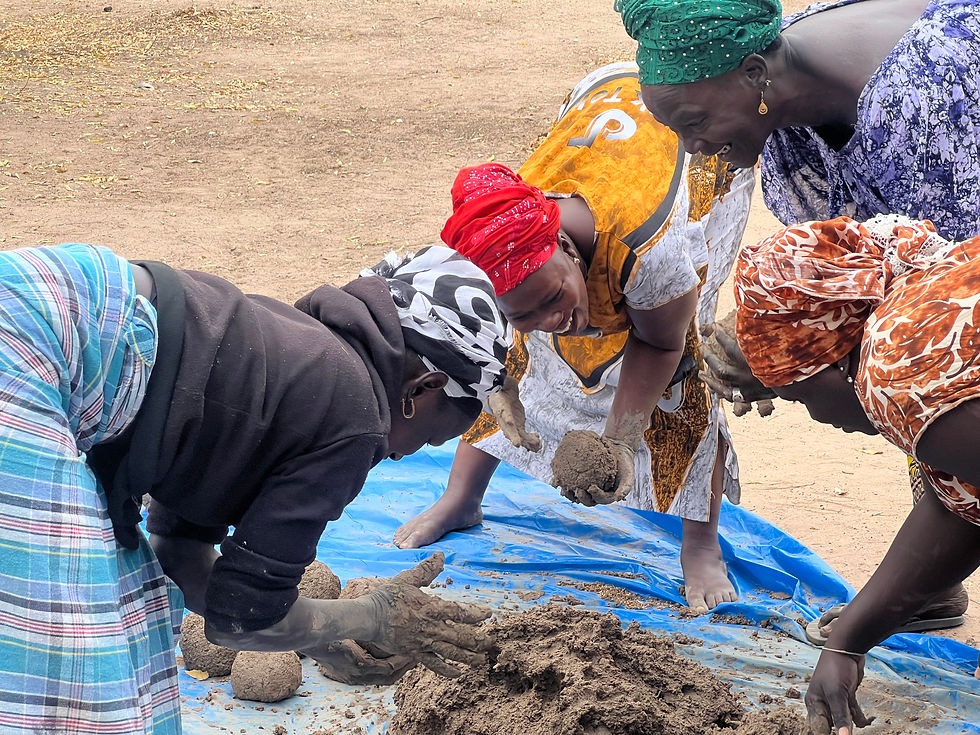
1,451 women were trained to build climate-smart mud stoves reducing firewood use, promoting cleaner cooking and reducing greenhouse gas emissions.
-
1,038 youth were mobilized in mangrove restoration and community clean-up efforts, serving as environmental role models in their communities.
-
Over 100 young leaders spoke on public radio to raise awareness about climate change and pollution, reaching over 40,000 listeners. Over 80,000 community members were mobilized in support of girls’ education and women’s empowerment.
bottom of page